
The historical evolution of gambling From ancient rituals to modern casinos
The practice of gambling can be traced back to ancient civilizations, where it often intertwined with religious and cultural rituals. Archaeological findings suggest that games of chance were part of religious ceremonies in ancient China, with rudimentary forms of dice dating back to around 2000 BCE. Similarly, in ancient Rome, betting on chariot races and gladiatorial contests became popular, illustrating how gambling was ingrained in social and cultural practices of the time. Today, you can explore modern options through platforms like 22casino.ca, which showcase the evolution of this pastime.

These early forms of gambling served not only as entertainment but also as a means of social interaction among communities. They were often accompanied by rituals that highlighted their spiritual significance, thus setting the stage for gambling to evolve as a popular pastime across different cultures.
During the medieval period, gambling transitioned into more structured forms. The introduction of card games in Europe around the 14th century marked a significant shift in gambling practices. These games became a favored pastime among the nobility, leading to the establishment of gambling houses. In this era, the social implications of gambling became more pronounced, reflecting the status and wealth of individuals involved.
The rise of gambling in medieval society also fostered the development of regulations governing these activities. Monarchs often imposed taxes on gambling to capitalize on its popularity, which further legitimized the practice. This period was crucial in shaping gambling into a formalized activity, paving the way for future legal frameworks surrounding it.
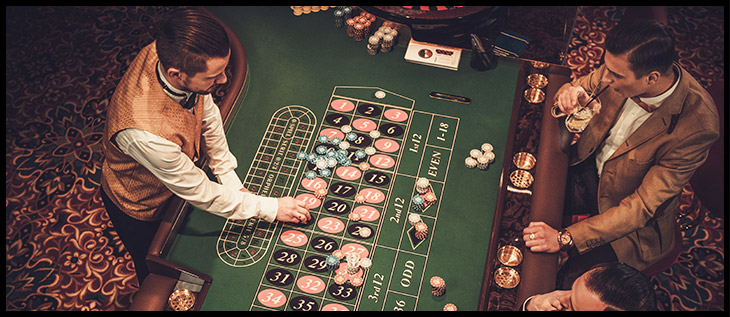
The late 17th century saw the establishment of the first modern casinos, starting with the Casino di Venezia in Italy. This venue marked a transition from informal gambling settings to sophisticated establishments designed for entertainment and leisure. The emergence of these casinos reflected societal changes where gambling was increasingly viewed as a legitimate form of recreation.
As more casinos opened across Europe, innovations in game design and betting systems began to flourish. This era also introduced casino culture, complete with luxurious surroundings and a variety of games that attracted a diverse clientele. The allure of casinos as places of excitement and chance became a staple in society, leading to their global proliferation.
The advent of technology in the late 20th century revolutionized the gambling landscape. The introduction of video slot machines and electronic gaming devices transformed traditional casinos, offering players new and engaging experiences. These technological innovations not only improved game designs but also enhanced the overall gambling experience through user-friendly interfaces and advanced graphics.
The rise of the internet further changed the game, leading to the emergence of online casinos. Players could now enjoy their favorite games from the comfort of their homes, making gambling more accessible than ever. This shift towards online platforms has also encouraged innovations in payment systems, including cryptocurrency options, ensuring swift and secure transactions.
As an exemplary online gaming platform, 22Casino represents the culmination of the historical evolution of gambling. Launched in 2025, it offers a vast library of over 9,000 games, including slots and live casino experiences. With a focus on providing a seamless user experience, 22Casino integrates cutting-edge technology to cater to modern players’ needs, emphasizing transparency and fairness.
In addition to its impressive game selection, 22Casino also features a dedicated loyalty program and generous bonuses, ensuring that players have an engaging and rewarding experience. This platform is a testament to how far gambling has come, embodying both the rich history of the practice and the innovations that shape its future.